What a year it’s been
Seeing the new first-year cohort has made me reflect on my practice, assumptions coming into the program, and what I’d like to take away. At first, I was expecting a more rigorous research-like environment. Similar to what I was surrounded by during my undergraduate degree. What I found instead, was an experimental and artistic driven space where academic research came second (or third) to exploring ideas, creating works of expression, and learning new methods of making.
I was intimidated at first by everything, and felt out of place in the environment last September. However, week by week and class by class I realized what makes this community: The uniqueness to dive into whatever you want. The muscle I have been exercising for the past year has been how we interact with our world. Through video pieces, tangible devices, and digital experiences each follow methods of interaction and storytelling.
Additionally, with the improvements of generative code, I fell out of love with programming and leaned heavily into other mediums. However, each of the projects I’ve worked on still had a touch of code in them. From programming microcontrollers, small scripts in Unity, or accompanying websites with projects code has still been a large part of my work even if it wasn’t at the forefront.

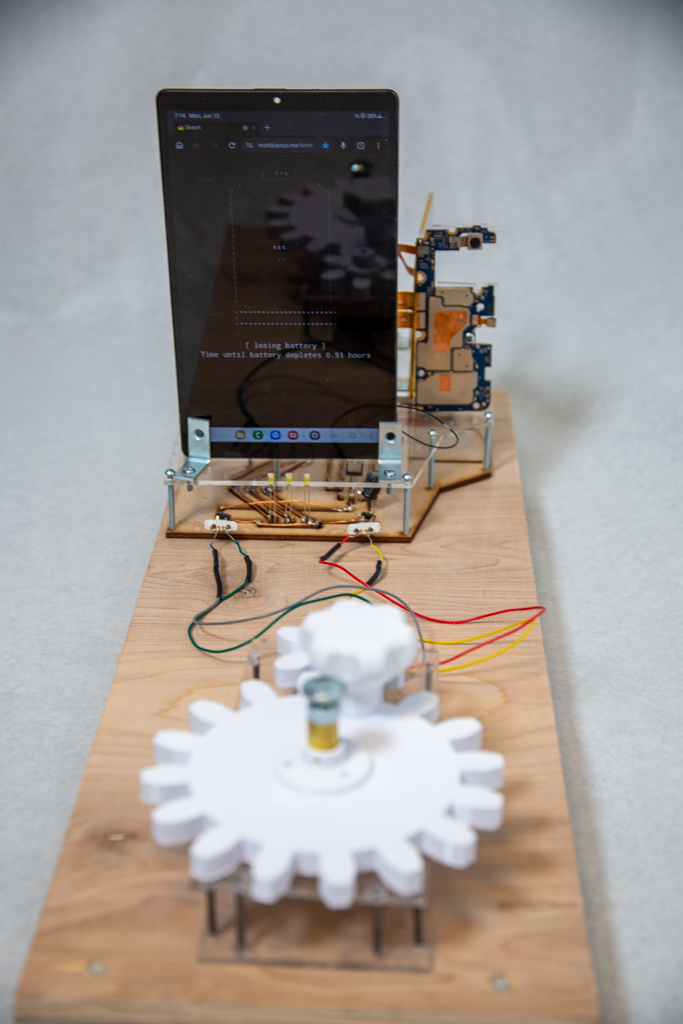

Figure 1. Three images of previous projects of mine over the past year.
I don’t think I would consider myself an “artist” yet, but I’m definitely closer to one now than I was before this program.
Over the Summer, I began thinking about my Thesis (with a capital “T”). For my own sake I want it to be a worthwhile culmination of my time in graduate school, and set the groundwork for future research endeavors. After talking with friends Antonia, Arjun, Shloka, and Joy each helped put into words that many of my projects have been rooted in investigating invisible infrastructure. Having learned how digital technology works, I feel it is my imperative to help the people around me understand it better because learning how contemporary technology works, gives us a voice in the direction of its development.
After reading many books and papers over the Summer I realized two fields that helped put into words an even more accurate sense of what I feel is important when developing new technology. Media Archeology and Software Studies.
Media Archeology: A field that attempts to understand new and emerging media through close examination of the past.
Software Studies: An emerging interdisciplinary research field, which studies software systems and their social and cultural effects.
Code and the software that’s created is always a byproduct of the time and culture it was written in. Therefore, by examining how code is written, now and in the past, we can elicit the ways people tried to understand the world through their software abstractions.
If I had to pose an initial research question it may look like: Is there a framework for Media Archeology within Human-Computer Interaction? Media Archeology and Software Studies exist within Digital Humanities departments, but I think the questions that they are exploring can be helpful within the contexts of traditional HCI labs. These broad questions also leave space for art interventions and experiments that I’ll have the chance to develop over the next two semesters.
Figure 2: Short introduction slides about my work